Second Marriage After 50
Success Rates, Etiquette and Advice
Is remarrying after 50 right for you? Explore the success rate of second marriages, modern etiquette for a second wedding, and the psychological benefits of marriage after 50.
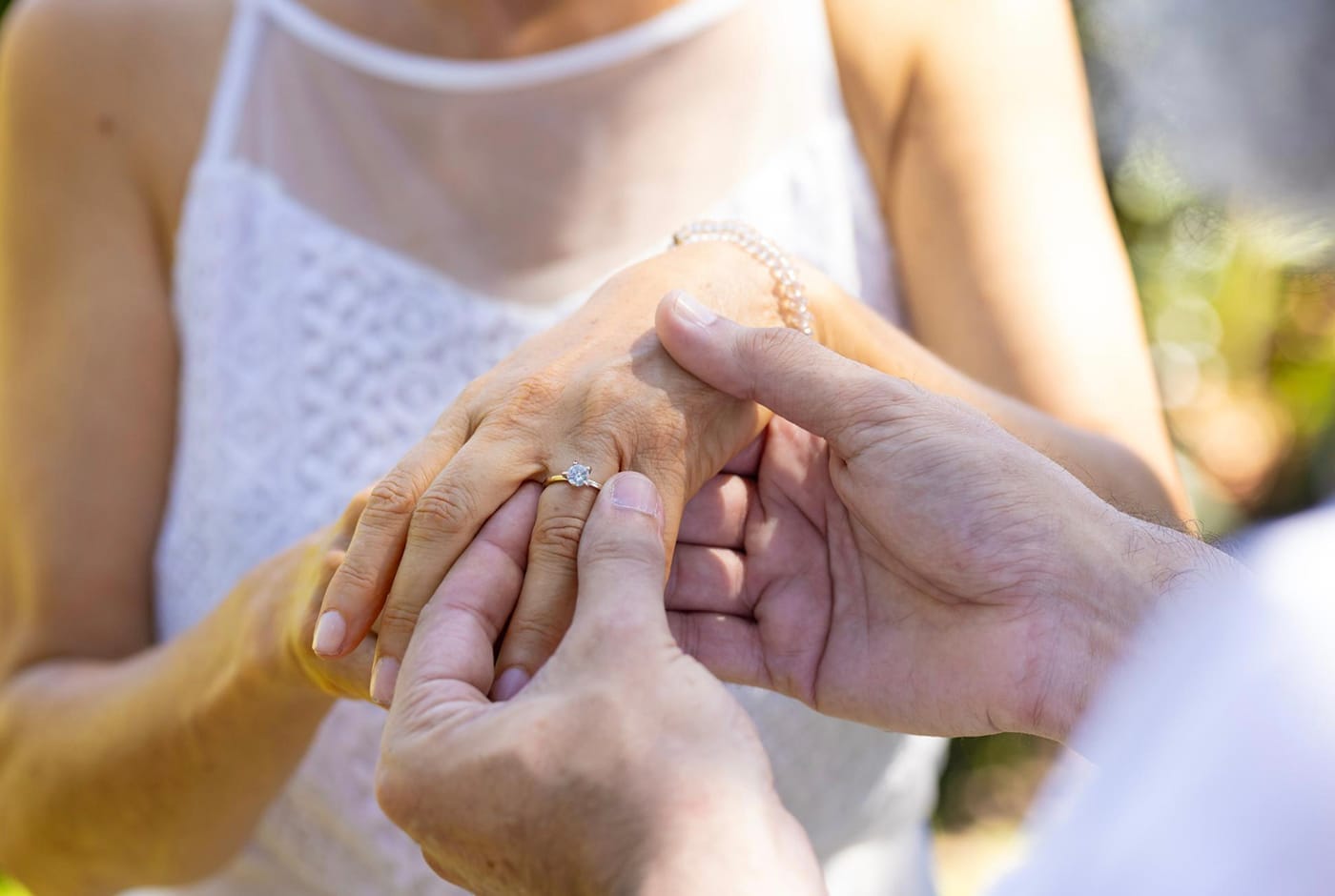
Second marriage after 50: what you should know
Getting married after 50 is a deliberate, thought-out choice made by someone who has already lived enough to know exactly what they want from a partnership. Whether you're coming out of a gray divorce, widowhood, or a long stretch of independence, a second marriage after 50 is one of the most intentional things a person can do.
The numbers support this. Research found that divorce later in life is actually a strong predictor of repartnership. This means most people who find themselves single after 50 do find someone again.
The pool of single, high‑quality partners is larger than most people expect: there are tens of millions of single adults over 50 in the U.S., many of them emotionally available and actively looking for a lasting connection.
If you've been wondering about the odds of remarriage after age 50, the short answer is: they're quite high and are improving as more mature adults turn to purpose-built platforms like Sequel dating app to find them.
The reality of remarriages: what the numbers say
Since the data presents a more complex picture than most people are aware of, let's start with it.
Success rate of second marriages
The success rate of second marriages varies significantly by age at remarriage. Across all ages, roughly 60–67% of second marriages end in divorce, and it's a higher rate than first marriages. But that number is very skewed because it includes a lot of younger people who get married again quickly and without reflecting on their previous mistakes enough.
The picture is different for people over 50. A study found that older women in second marriages often report higher life satisfaction than those in first marriages, more so when the remarriage is emotionally mature and involves making decisions together. People over 50 tend to enter remarriages with clearer self-knowledge and less tolerance for dynamics that don't work.
Divorce rate of second marriages
The elevated divorce rate of second marriages overall comes down to a few consistent patterns:
- tension in a blended family
- financial conflicts involving adult children
- rushing into a new commitment before truly getting over the first marriage
People in their 30s and 40s often repeat these mistakes.
Getting married at 50 bypasses many of these pitfalls. At this age, people usually have an established career, and their adult children are independent. The financial picture is clearer now. The most important thing that will help you succeed at this stage is being radically transparent about your finances, health, and expectations from the start.
Average age for second marriage
The average age for second marriage has climbed steadily over the past two decades. According to studies, the median age at remarriage is now around 48 for men and 44 for women. That trend reflects a broader shift: people are prioritizing personal growth and living for themselves before remarrying, rather than jumping back in out of feelings of isolation or social pressure.
The "invisible" challenges of marriage after 50
Two established lives don't merge automatically and require a lot of compromise and open conversations. Here's what tends to catch people off guard.
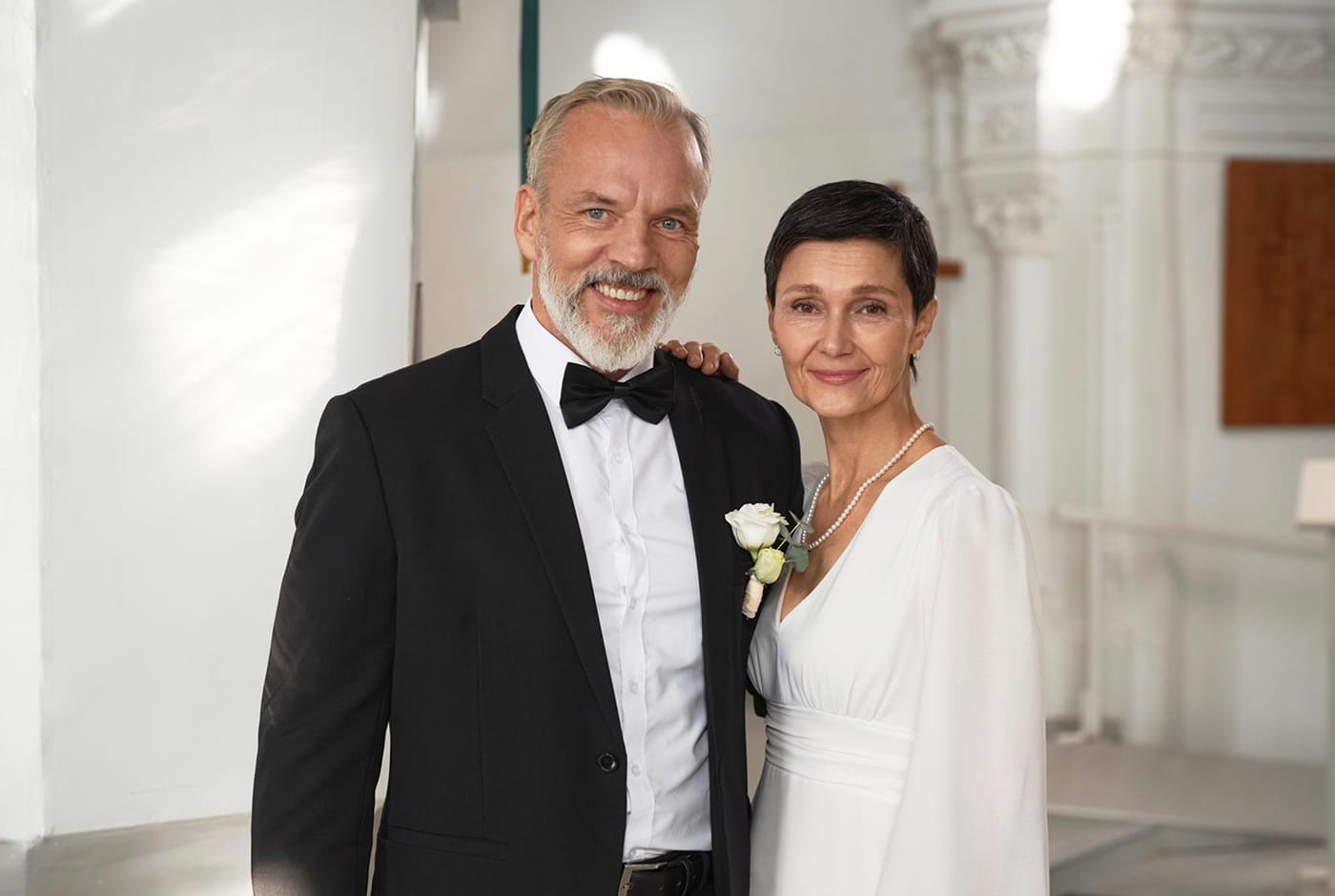
Financial autonomy vs. merging
Getting married at 50 almost always means two people with their own assets, retirement accounts, property, and debts. Many couples in this situation end up using a "yours, mine, and ours" account structure. They keep individual accounts for pre-existing assets while maintaining a joint account for shared expenses.
This approach protects adult children's inheritance and reduces financial resentment. More importantly, it keeps the relationship from becoming transactional.
A prenuptial agreement is not a sign of mistrust at this age but an indicator of maturity and clear-headed decisions. An estate planning attorney and a financial advisor should both be in the room before the second marriage wedding date is set.
The "third party" in the room
Adult children and former in-laws, along with the psychological residue of previous relationships, all can have a real influence on a new partnership. Children of any age can feel threatened by a parent's new relationship, either for financial or emotional reasons.
Many couples make the mistake of keeping these worries to themselves. The better path is transparency early:
- introducing a new partner before the relationship gets serious
- being honest about the role this person will play in your life
- making it clear that a new marriage does not mean erasing what came before
Former spouses, especially where there are shared children and grandchildren, also remain part of the picture. Healthy second marriages over 50 treat this as a practical reality and don't feel threatened.
Caregiving and health
This is the conversation almost nobody has before a second wedding over 50, and it's one of the most important ones.
- What does each partner expect if the other faces serious illness?
- Who are the primary caregivers?
- What does "being each other's person" actually mean when one of you can no longer live independently or manage daily tasks?
A qualitative study identified that companionship, emotional support, and well-defined role-sharing in caregiving and daily responsibilities were strongly associated with satisfaction in a second marriage. Couples who had talked about these things ahead of time said they felt safer and less surprised when health problems came up.
Talking about this might sound morbid, but it's really just a form of care.
How to ensure your second marriage after 50 is a success

Date with a plan
Dating at 50 with a plan means knowing what you're looking for before you actually start searching for a partner. That sounds obvious, but many people re-enter dating in reactive mode: they're open to anything, hoping something sticks. Those who establish long-lasting relationships are typically more targeted.
Ask yourself:
- What kind of relationship do you want?
- What does your ideal daily life look like in five years?
- Are you open to cohabitation, or do you prefer living apart together?
- What are your non-negotiables around religion, politics, or lifestyle?
Get clear on your answers before your first date, and then be direct about them early. Remember that this is not an audition for someone's approval; you're simply finding out if you're compatible.
Getting married in your 50s after a serious courtship, where both people have been genuinely honest about their values and what they expect, produces far better outcomes than marriages entered quickly or without those conversations.
Communicating with adult children
How you tell your children matters. Adult children often react badly, not because they dislike the new partner, but because they feel blindsided or replaced.
Introduce a new partner gradually: don't minimize the relationship or hide it, but also don't spring an engagement announcement on children who have never spent real time with this person.
Be clear that this relationship doesn't diminish your love for them, and be honest that your life has moved forward. Listen to their concerns without necessarily deferring to them, as you are an adult making your own choices, but acknowledge what they're feeling.
Finding the right partner
The practical challenge of second marriage after 50 starts with actually meeting the right person. People's social circles get smaller as they get older, and shared workspaces also go away when you retire. Traditional venues like dinner parties or community groups can theoretically produce the kind of intentional connection that leads to remarriage, but it happens rarely and boils down to a coincidence.
Purpose-built platforms like Sequel are designed to change that. Sequel's matching starts with relationship intent: every member states upfront what type of connection they're looking for, whether it's a marriage or a friendly companionship. Two people already know they have similar goals by the time they start talking. That removes one of the most common dating problems: spending weeks on someone only to find out they aren't right for you.
Profiles on Sequel also include a "Little Joys" section, asking people for specific personal details like a favorite book or an ideal day. These prompts help people start authentic conversations.
Every profile passes a dual-layer verification process: AI-assisted scanning for synthetic content followed by human review. That's relevant for older adults in particular, since romance scams disproportionately target people over 50.
Sources:
- https://pmc.ncbi.nlm.nih.gov/articles/PMC6093496/
- https://www.retirementliving.com/best-senior-dating-sites/percentage-of-singles-by-age
- https://academic.oup.com/gerontologist/article/56/Suppl_3/621/2575944
- https://www.goldbergjones-or.com/divorce/interesting-divorce-statistics/
- https://www.bgsu.edu/ncfmr/resources/data/family-profiles/schweizer-retreat-remarriage-fp-19-17.html
- https://ejournal.lucp.net/index.php/mjn/article/download/1276/1347?inline=1