How Changing One UI Element Cut Sequel’s Scam Signups by 30%
How one button and smart timing secured a dating platform without hurting UX
How Sequel Dating App cut scam registrations by 30% just by fixing a minor UI flaw. Discover the power of smart UX adjustments in platform security.

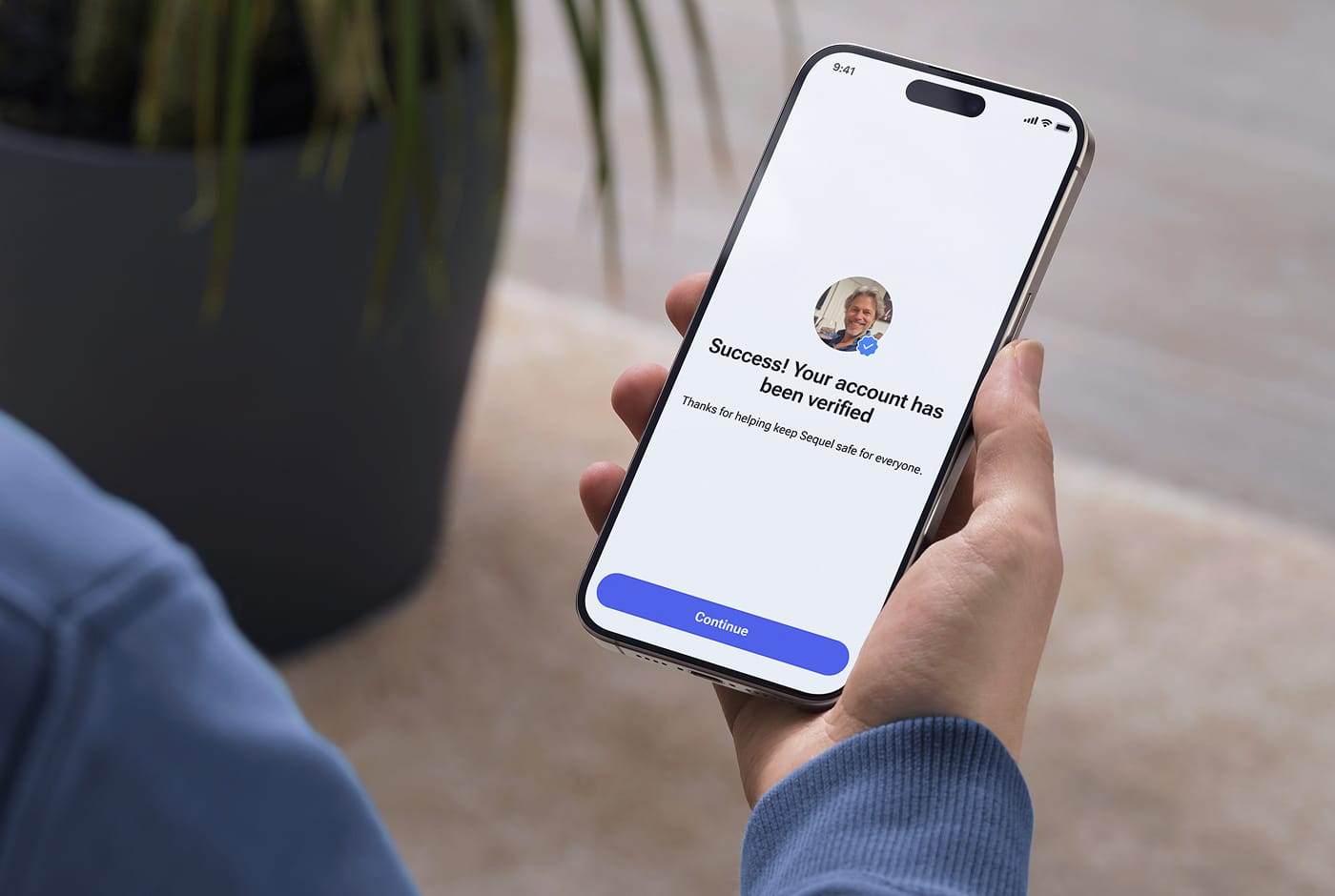
The security team at Sequel Dating App has released data from a recent internal optimization case study. By identifying a minor flaw in the platform's user interface logic and adjusting their defensive algorithms, the developers managed to heavily curb fraudulent account creation without impacting the onboarding process for legitimate users.
The Hidden Interface Flaw That Facilitated Fraud
A recent review of platform data by Sequel Dating App analysts showed an abrupt surge in fraudulent sign-ups. The perpetrators demonstrated advanced adaptability, adjusting their methods on the fly to evade existing safety protocols.
A deep dive into individual user journeys revealed an unintended feedback loop within the UI design. Restricted profiles navigating to the preview page were presented with a "suspended" alert. This unexpected notification acted as a direct indicator for bad actors: they immediately realized their account's reach had been compromised, abandoned it, and instantly registered a new one using modified tactics to evade moderation.
Once this visual trigger was removed by the engineering team, the outcome surpassed expectations: within the first 24 hours of deploying the update, new fraudulent profile registrations dropped by over 30%, and this metric has remained consistently low since.
Advancing to Hardware Verification and Dynamic Threat Assessment
To sustain this reduction and neutralize automated bot activity, Sequel Dating App upgraded its core security framework:
- Device Trust Protocols
This multi-layered hardware verification layer separates legitimate user hardware from emulators, virtual machines, and automated bot networks directly at the machine level. The next milestone involves cross-referencing carrier network data and mobile telemetry to confirm physical locations and eliminate GPS-spoofing attempts.
- Real-Time Risk Scoring
The platform now utilizes predictive risk models to analyze network patterns, referral pathways, and media asset uniqueness as they are uploaded. By analyzing metadata signatures, the system automatically detects and blocks networks of interconnected accounts. Specifically, it flags matching digital footprints–such as identical bio text or the repeated use of the same image assets–cross-referencing them against previously banned profiles to shut down mass automated campaigns.
While there is an increasing trend of malicious actors employing artificial intelligence (AI) to try and cheat the profile verification system, these attempts are currently caught with ease by Sequel Dating App's existing defensive algorithms.
Traffic Surges and Evolving Moderation Metrics
A broader awareness of the brand over the past month naturally drew increased attention from bad actors. While the historical baseline for blocked fraudulent accounts stood at 4.1% across the application's operational history, the current detection rate escalated to 13% in response to the recent wave of incoming traffic.
Community Behavior: Analyzing the True Nature of User Reports
Data from Sequel Dating Platform's internal review provided an interesting look into community dynamics. While the user base is highly engaged and protective of the platform, the metrics show that:
- Only 2% of the entire user base has ever utilized the reporting tool.
- The vast majority of these submissions focus on general behavioral guidelines rather than actual financial fraud.
Breakdown of Submitted Reports
The data indicates that 81% of all user flags are directed at the behavior of real, legitimate individuals:
- 30% – Objections to inappropriate profile bios or explicit photography.
- 20% – Flags raised due to toxic or inappropriate interactions within private chats.
- Direct reports naming actual fraudulent accounts account for just 19% of the total volume.
Approximately 50% of all flags submitted by the community result in corrective action, such as an account ban or the removal of the flagged content. The system's processing efficiency is highly optimized, maintaining a median resolution time of just 2–4 minutes per submission.
Defining the Limits of Administrative Intervention
The moderation staff at Sequel Dating App draws a clear line between genuine security threats and minor interpersonal friction or dating frustrations. The platform maintains a policy of non-intervention for reports that do not involve explicit terms of service violations, including:
- A conversation stalling out ("isn’t texting me back").
- Differing expectations for dating (e.g., when one party is seeking casual encounters/FWB and the other is looking for a long-term commitment/LTR).
- A personal choice to sever contact with another user. The system includes built-in tools for this: any individual can immediately block an account within their privacy settings without needing to flag the profile to customer support.
Furthermore, as daily sign-ups scale upward, geographic density is improving naturally. The expanding community continues to resolve localized availability issues organically day by day, bringing more active users into closer proximity.
Crucial Safety Indicators for Online Dating
Even with sophisticated automation managing platform integrity, Sequel Dating Platform advises users to look out for common indicators of deception. Before an account is flagged by automated systems, these three anomalies often signal a problematic profile:
- A mismatch between a user's stated name and their actual physical location data.
- A noticeable contradiction between the age provided in the profile bio and the person's appearance in their photos.
- The clear utilization of unauthentic, heavily edited, or stock photography for the primary avatar.